
5 AI Automations Every Malaysian Accounting Firm Should Be Using in 2026
Five workflows Malaysian accounting firms can evaluate for AI automation, with practical checks for accuracy, review effort, integration scope, and total cost.
The Accounting Industry Is at a Turning Point
Malaysian accounting firms face pressure on several fronts. The LHDN e-Invoice mandate adds compliance work. Clients expect faster turnaround times. Junior staff are harder to recruit and retain, especially in East Malaysia. The old model of charging hourly for data entry, bookkeeping, and compliance work also gets harder to defend when clients can see how much of the work repeats.
Start with repetitive work that has clear inputs and a reviewable output. Your professionals can then spend more time on advisory, tax planning, and client relationships. These five workflows are candidates for a measured pilot.
1. AI Bank Statement Processing
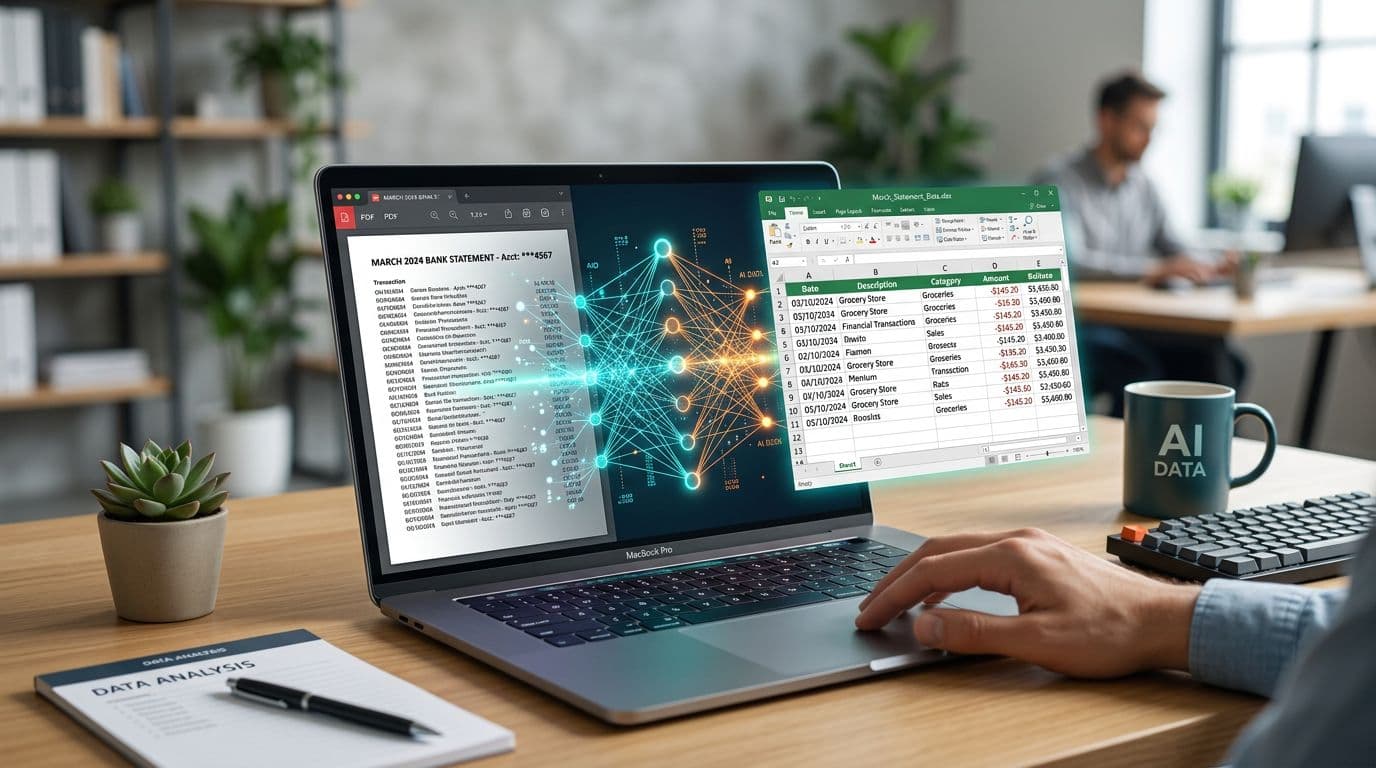
For many accounting firms, bank statements are a useful first workflow to test. AI OCR tools such as SEA Bank OCR can extract transaction dates, descriptions, reference numbers, debit and credit amounts, and running balances into structured data. Test your actual bank formats and check the export against the original statements before importing it into an accounting system.
Do not assume an accuracy rate or annual time saving before testing. Use representative statements, including poor scans and unusual layouts. Record extraction errors and total staff time for uploading, reviewing, correcting, and importing each batch. This article does not establish a measured accuracy rate, delivery time, or payback period for your firm.
2. Smart Invoice Data Extraction
Supplier invoices arrive as typed PDFs, scanned copies, WhatsApp photos, and handwritten notes. AI document processing engines can extract vendor name, invoice number, date, line items, quantities, unit prices, tax amounts, and totals from these formats with limited configuration.
The matching step creates the value. An integration can compare extracted invoice data with purchase orders, flag discrepancies, and prepare draft accounts payable entries. Keep duplicate detection and approval checks before posting. Scope the integration with your accounting system around the formats, access permissions, and exceptions your team actually handles.
3. Automated Bank Reconciliation
After your team digitises bank statements, reconciliation becomes the next target. Once bank transactions and accounting entries are in structured format, an AI agent can match direct matches, partial matches, and unmatched items that need investigation.
Reconciliation software can propose matches while an accountant reviews exceptions such as timing differences, partial payments, and description mismatches. Test both incorrect matches and missed matches against an accountant-checked sample. Measure the full reconciliation and correction time before deciding whether the workflow is ready for regular use.
4. Intelligent Document Classification and Filing
Accounting firms receive thousands of documents per year: bank statements, invoices, receipts, contracts, board resolutions, tax correspondence, and more. Junior staff or interns often spend hours sorting, naming, and filing these documents into the correct client folder and category.
AI document classification can suggest a document type, client folder, and standardised filename. Some systems can also extract key dates and amounts for a document index. Route uncertain classifications for review, and check client access controls before allowing automatic filing. Measure sorting time and misfiled documents during the pilot.
5. Automated Management Report Generation
Many accounting firms produce monthly or quarterly management reports for clients: profit and loss statements, cash flow summaries, debtor aging reports, and variance analyses. The data sits in the accounting system, but the report often needs manual formatting in Excel or Word, with commentary added by the accountant.
A reporting workflow can retrieve approved figures, calculate variances in code or the reporting system, and use AI to draft commentary. The draft should identify its reporting period and source records. Any explanation of why revenue, costs, or receivables changed needs evidence from those records, not a plausible story generated by the model.
The accountant checks the figures, verifies the explanations, and approves the report. Include this review time when comparing the workflow with a manual report. Delivery scope depends on data access, reporting templates, and the checks needed before a report reaches a client.
How to Estimate Costs and Payback
Ask for a quote based on your document volume, formats, systems, and approval requirements. Compare the same workload and quality standard before and after automation, including these cost components:
- Bank statement OCR: subscription or per-page processing, document preparation, human review, and CSV import or direct integration.
- Invoice data extraction: format testing, purchase-order matching, duplicate checks, accounting integration, and ongoing processing.
- Automated bank reconciliation: integration, matching rules, exception handling, accountant review, and maintenance.
- Document classification: client-folder mapping, access controls, review queues, and corrections to misfiled documents.
- Automated report generation: data connections, template design, calculation checks, professional review, and support.
Estimate monthly net benefit from measured staff time saved and any verified reduction in rework, less recurring processing, review, and support costs. Divide the initial implementation cost by that net benefit only if it is positive. Released staff capacity is not automatically extra revenue or a reduction in payroll.
The Competitive Advantage Is Timing
Accounting firms can already buy usable AI tools at SME prices. Firms that start now build internal expertise, refine their workflows, and serve more clients without matching headcount growth. Firms that wait will compete against leaner firms that deliver the same work at lower cost.
Build the business case on measured workflow results. If grant support is part of the plan, verify the current scheme terms with the administering agency before including it in the budget. Start with a scoped AI workflow automation sprint or an AI integration project around your existing systems.
Want to Automate Your Firm's Workflows?
GreatRise IT specialises in AI automation for accounting firms in Malaysia. We will assess your current workflows, recommend the highest-impact automations, and deliver a working system in weeks, not months.