Google's US$2 Billion Data Centre in Malaysia: What It Means for Sarawak Businesses and Local AI
Google's US$2 billion data centre and cloud project in Malaysia is exceeding expectations, on track to create 26,500 jobs and deliver US$3.2 billion in economic impact. Combined with Budget 2026's push on AI, Sarawak businesses now have faster, cheaper access to advanced AI infrastructure.
Google's US$2 Billion Malaysia Data Centre Is Moving Ahead
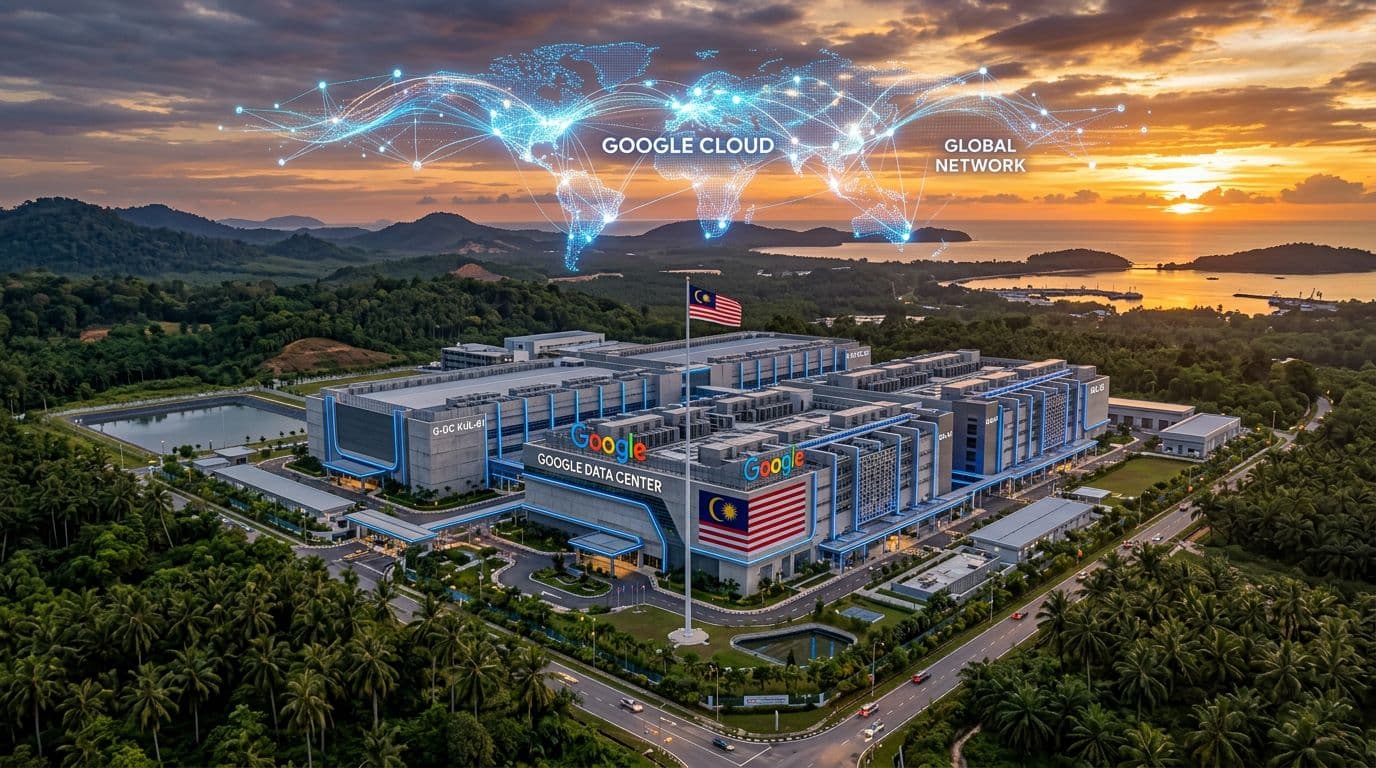
Updates from 26 and 27 February 2026 confirm that Google's US$2 billion data centre and cloud project in Malaysia remains on schedule. The project is on track to create 26,500 jobs across the technology ecosystem and deliver a US$3.2 billion economic impact to the Malaysian economy. It is the largest single technology infrastructure investment Malaysia has received, and it signals that global hyperscalers see Malaysia as a hub for AI and cloud services in Southeast Asia.
Why This Matters for Sarawak Businesses Right Now
For businesses in Sarawak, the immediate impact is practical: faster, cheaper, and more secure cloud infrastructure is now available closer to home. Before this investment, Malaysian businesses running AI workloads often had to route data through Singapore or Hong Kong data centres, adding latency and cost. With Google's local infrastructure, AI applications such as document processing, customer service chatbots, and predictive analytics can run with lower latency and stronger data residency compliance.
Businesses in Kuching, Sibu, and Miri running AI workflows should see faster response times and lower cloud compute costs. For healthcare, legal, and government-linked enterprises that need to keep data within Malaysian borders, local data centre infrastructure removes a major barrier to AI adoption.
Budget 2026's AI Push and Sovereign AI Cloud
Google's investment sits alongside Budget 2026, which puts AI first in its research and innovation agenda and includes a Sovereign AI Cloud, to be set up by MCMC with an investment of RM2 billion. That national AI infrastructure is meant to keep Malaysian data in Malaysia while giving local businesses access to advanced AI capabilities.
- Nearly RM5.9 billion for cross-ministerial research, development, commercialisation and innovation (R&D&C&I), under the Budget's AI and R&D&C&I priority.
- A Sovereign AI Cloud, set up by MCMC with an investment of RM2 billion, to keep Malaysian data in Malaysia.
- Tax incentives and grants for businesses adopting AI and cloud technologies.
- Upskilling programmes to build a local AI-ready workforce.
- Focus on making AI accessible to SMEs and larger corporations alike.
What 26,500 New Jobs Actually Looks Like
The 26,500 jobs figure covers more than data centre technicians. The economic ripple effect spans cloud engineers, AI developers, cybersecurity specialists, data analysts, IT consultants, and support staff. For Sarawak, this can create a talent pipeline that helps local businesses find skilled technology professionals without competing only with KL and Singapore.
It also strengthens the case for Sarawak's own digital economy ambitions. The Sarawak Digital Economy Corporation (SDEC) has been actively building the state's technology infrastructure, and Google's national investment accelerates the entire ecosystem that Sarawak businesses operate within.
Practical Implications: What Sarawak Businesses Should Do Now
If you run a business in Sarawak and have been waiting to adopt AI or migrate to cloud infrastructure, the practical changes are clear:
- Cloud costs can drop because Google's local infrastructure reduces data transfer costs and improves pricing against regional alternatives.
- Data residency gets easier for industries requiring Malaysian data sovereignty, including healthcare, finance, and government.
- AI adoption pressure increases as government funding and local infrastructure reduce the excuse for waiting.
- Local LLM deployment becomes more practical because businesses can run private AI models on Malaysian infrastructure without sending sensitive data overseas.
How This Connects to Your Existing Systems
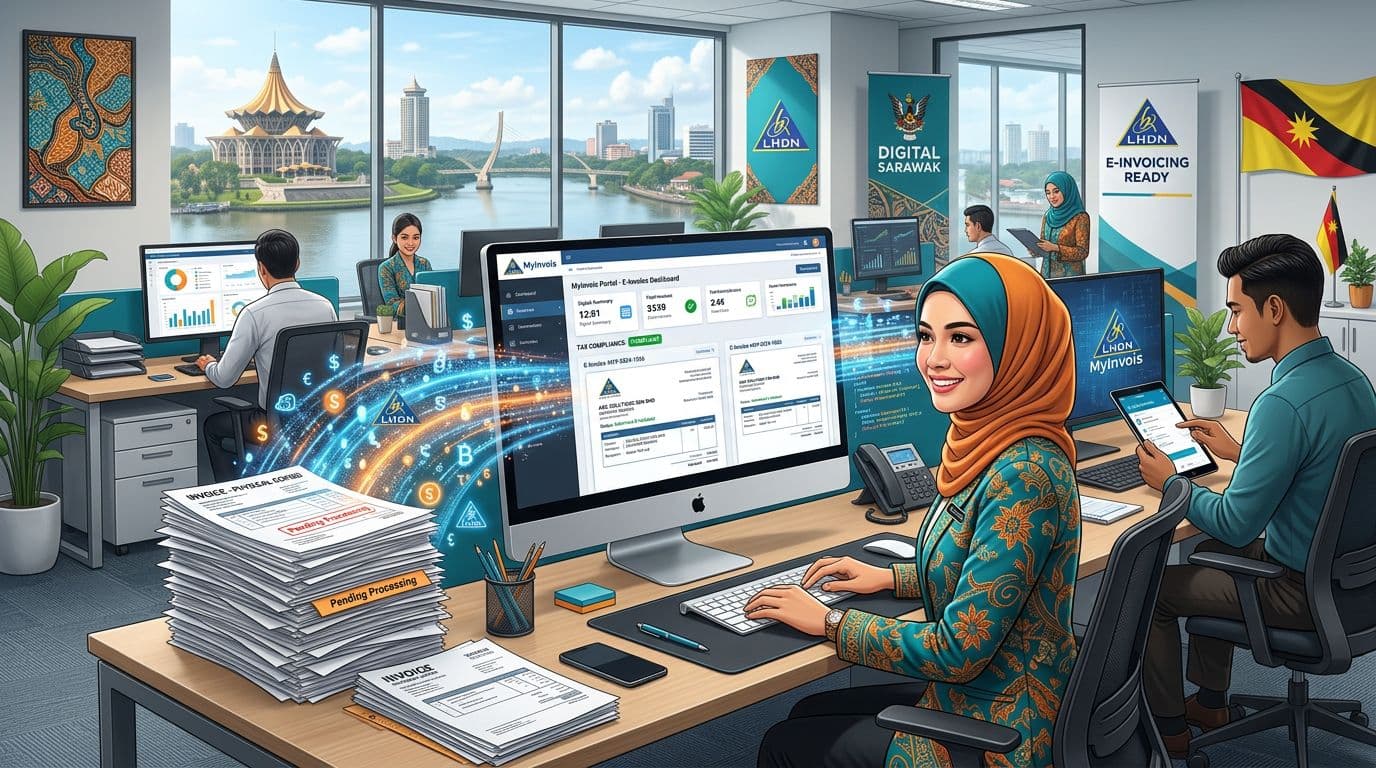
Better AI infrastructure connects directly to the business systems you already use. Your ERP system, whether Biztrak, SAP, or others, can add AI agents that process invoices, generate reports, and flag anomalies in real time. Your HR workflows through FlexHRMS can use AI document verification and approval routing. Your customer service team can move from reactive email responses to chatbots that understand context and route queries faster.
The infrastructure investment makes these capabilities faster to deploy, cheaper to run, and easier to maintain for SMEs in Sarawak that lacked access to enterprise-grade AI infrastructure.
The GreatRise IT Perspective
GreatRise IT Consulting has delivered business systems for Sarawak businesses since 2009. Our current services include AI automation and cloud integration. Google's data centre investment, Budget 2026's AI allocation, and the Sovereign AI Cloud initiative give Malaysian businesses a stronger case for adopting AI at scale. We help clients in Kuching and across Sarawak with AI workflow automation and Local LLM deployments for businesses that need strict data privacy.
The infrastructure, government support, and competitive pressure are now moving in the same direction. Businesses that move first will learn faster than those that wait.
Ready to Take Advantage of Malaysia's AI Infrastructure Boom?
Book a free AI readiness assessment with our Kuching-based team. We will identify the highest-impact AI opportunities for your business and show where the new infrastructure can help.